Control & evidence · ERC-4337 and EIP-7702
Smart accounts: recovery, delegation and the new control map
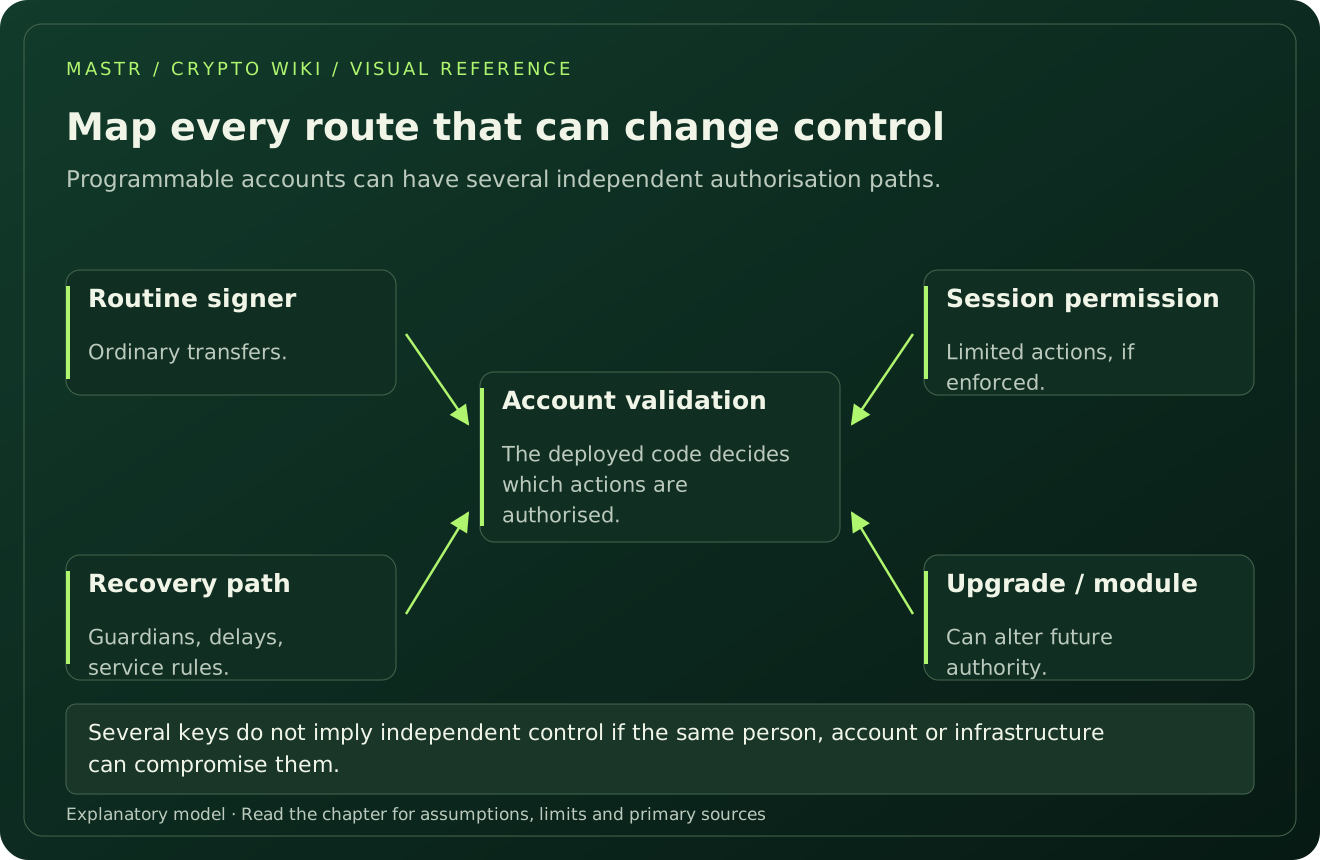
Programmable accounts can improve recovery and permissions, but the account’s validation rules become part of what the user must understand.


Research · History · Reference
438 · Articles and references
Control & evidence · ERC-4337 and EIP-7702
Programmable accounts can improve recovery and permissions, but the account’s validation rules become part of what the user must understand.
A smart account uses programmable authorisation rather than one external key.
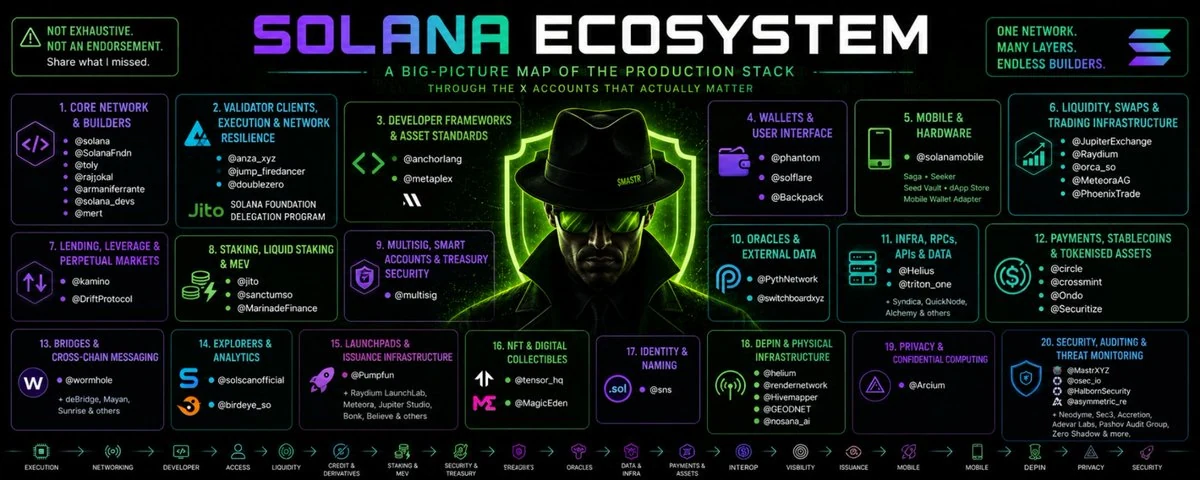
Solana programmes operate on accounts supplied to instructions.
Solana: from quote to settlement
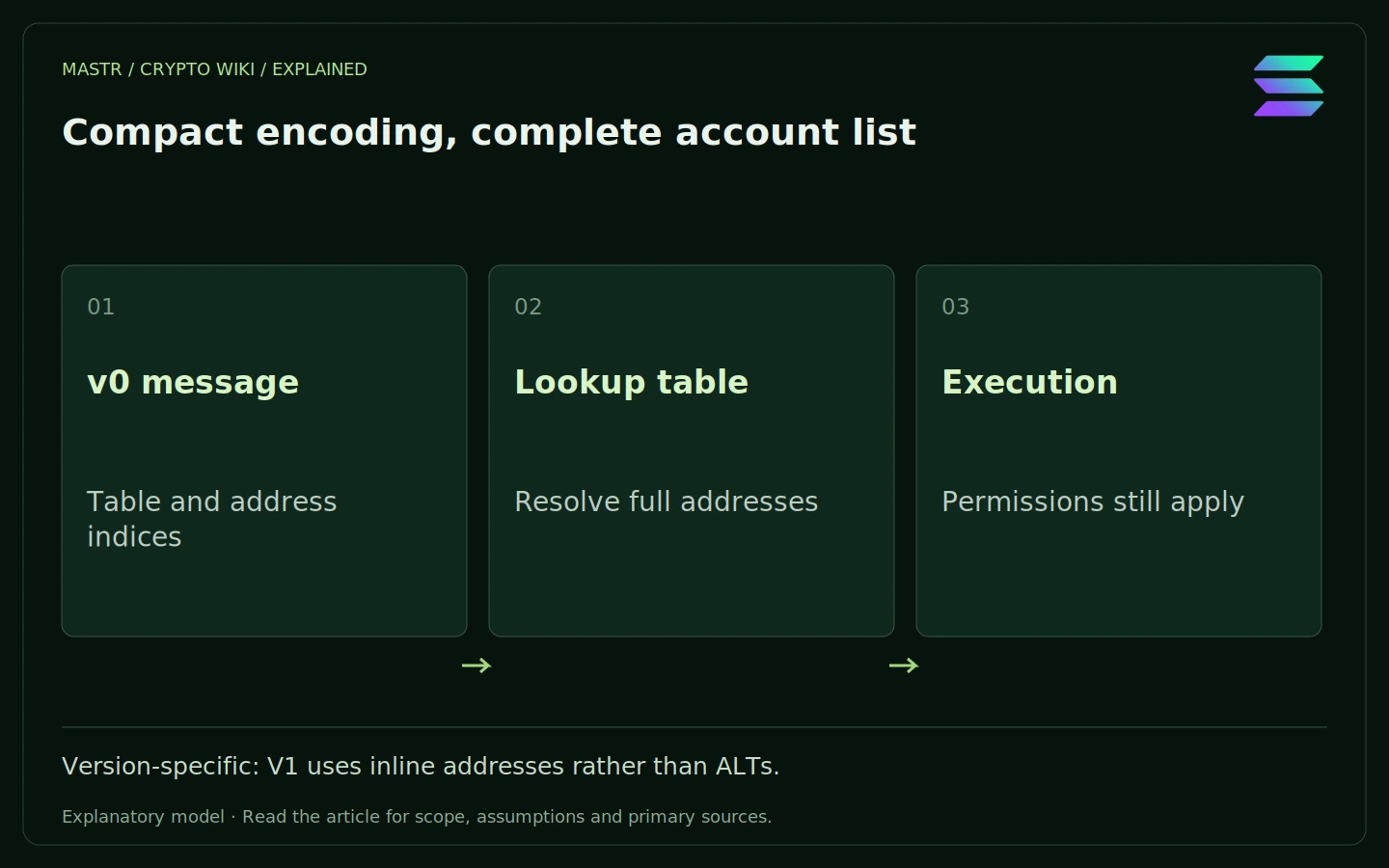
A shorter transaction encoding does not mean the loaded accounts matter less.
One instruction can call another program using accounts and privileges from the original request.
Program-derived addresses use deterministic derivation and runtime-checked signing authority.
Solana: from quote to settlement
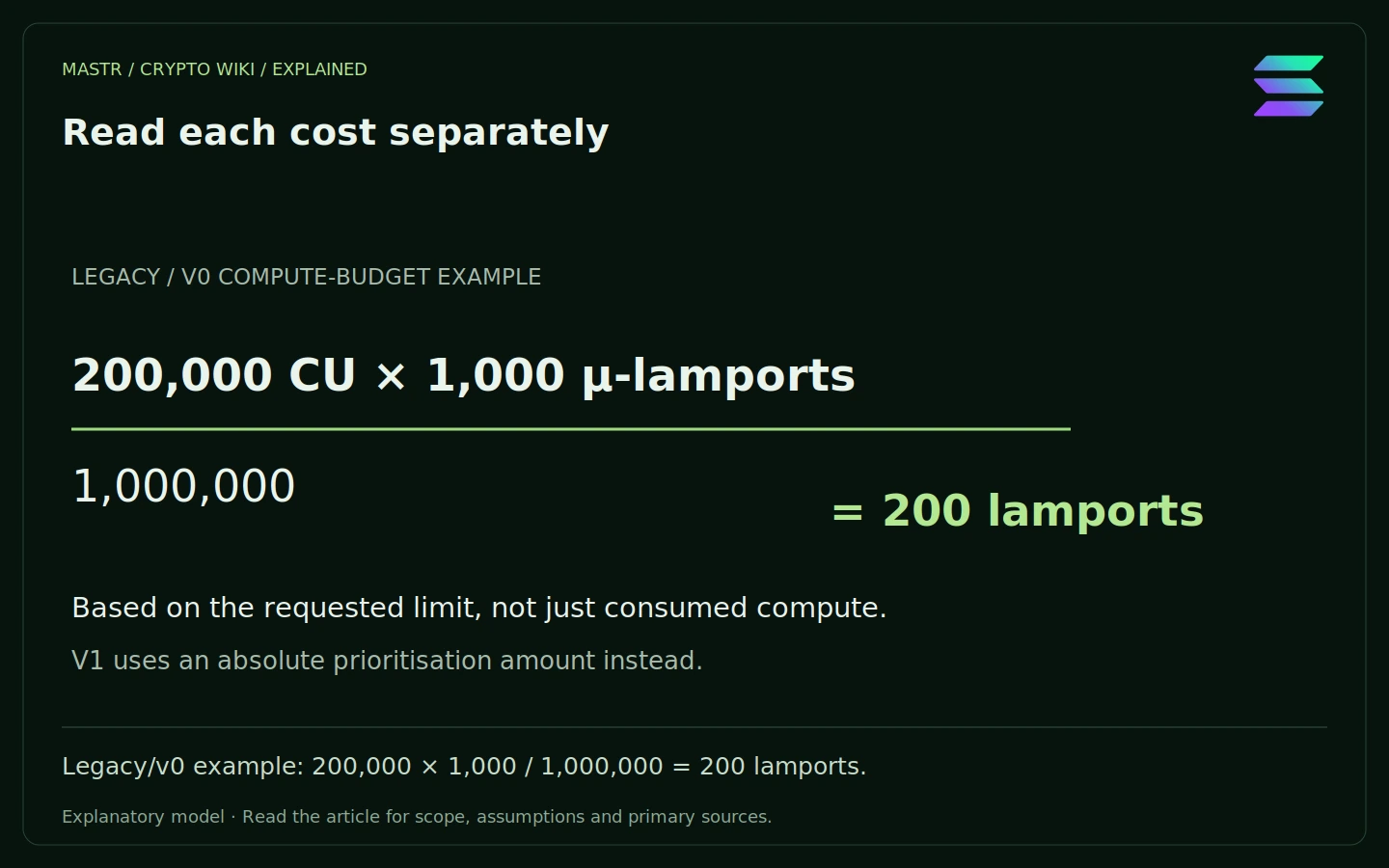
Separate the base network fee, prioritisation, Jito tips and application charges.
Solana: from quote to settlement
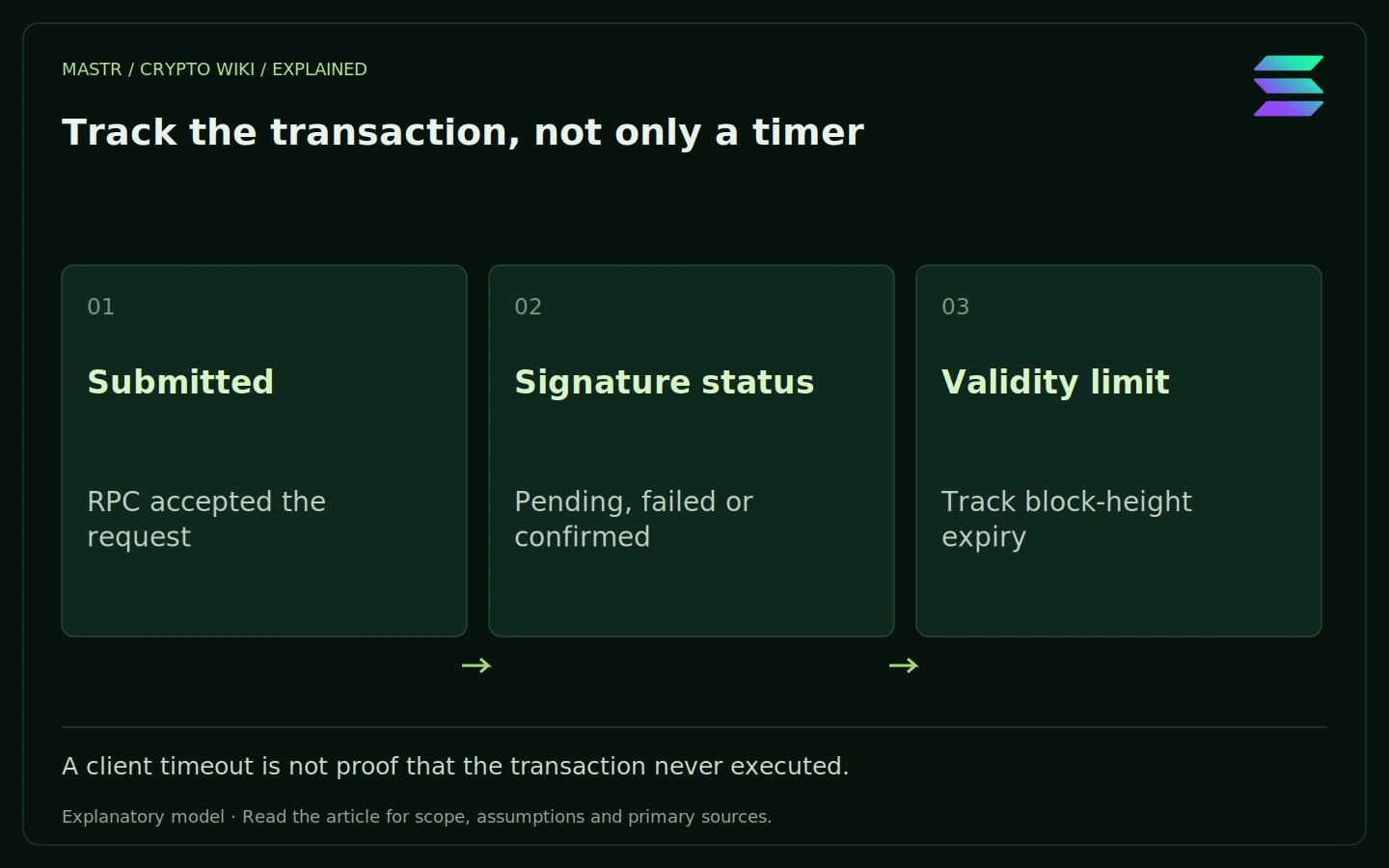
A recent blockhash limits validity; a timeout alone does not establish the final outcome.
Why an account owner, a token owner and a human owner are not interchangeable labels.
Orders intended for cancellation make an order book appear deeper or more directional.
Stablecoins use bank reserves, crypto collateral, algorithms or combinations.
Reserve assets, redemption rights and transfer controls can matter more than the current price.
Markets & incentives · 2014 onward
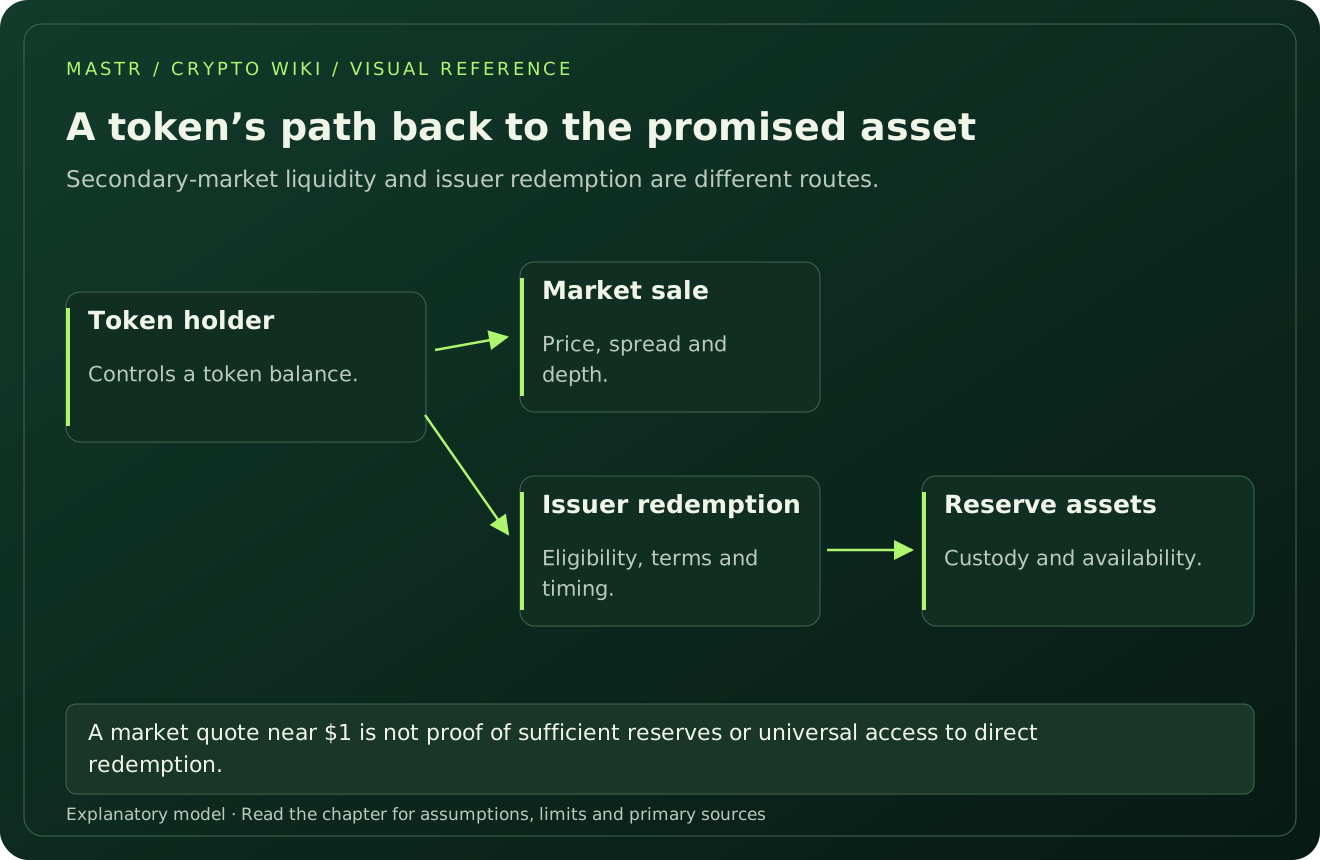
A price target is not a complete description of the claim. Follow the route from token holder to the assets that are meant to support redemption.
Markets & incentives · 2020 onward
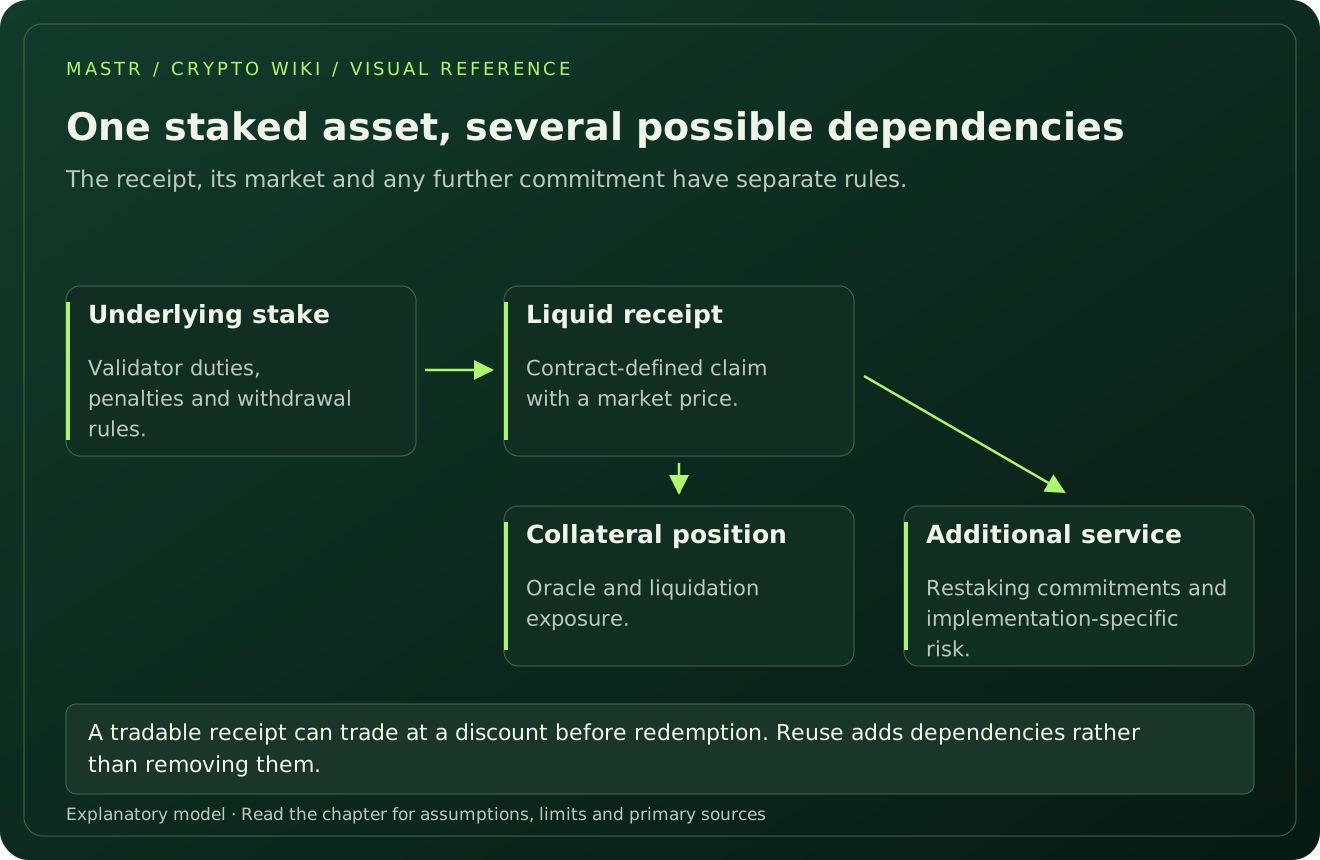
A tradable receipt improves flexibility, but it does not remove validator, withdrawal, smart-contract or collateral risk.
An object model changes how state is represented, not whether every app is trustworthy.
A sample containing only visible winners cannot measure the odds faced by a new participant.
Deleted losses and repeated winners create a fabricated hit rate.
A site pays small sums for clicks, ratings or supposed optimisation work.
A private message claims to be support or a project administrator.
The redemption mechanism explains the feedback loop; the court records explain the misleading claims surrounding it.
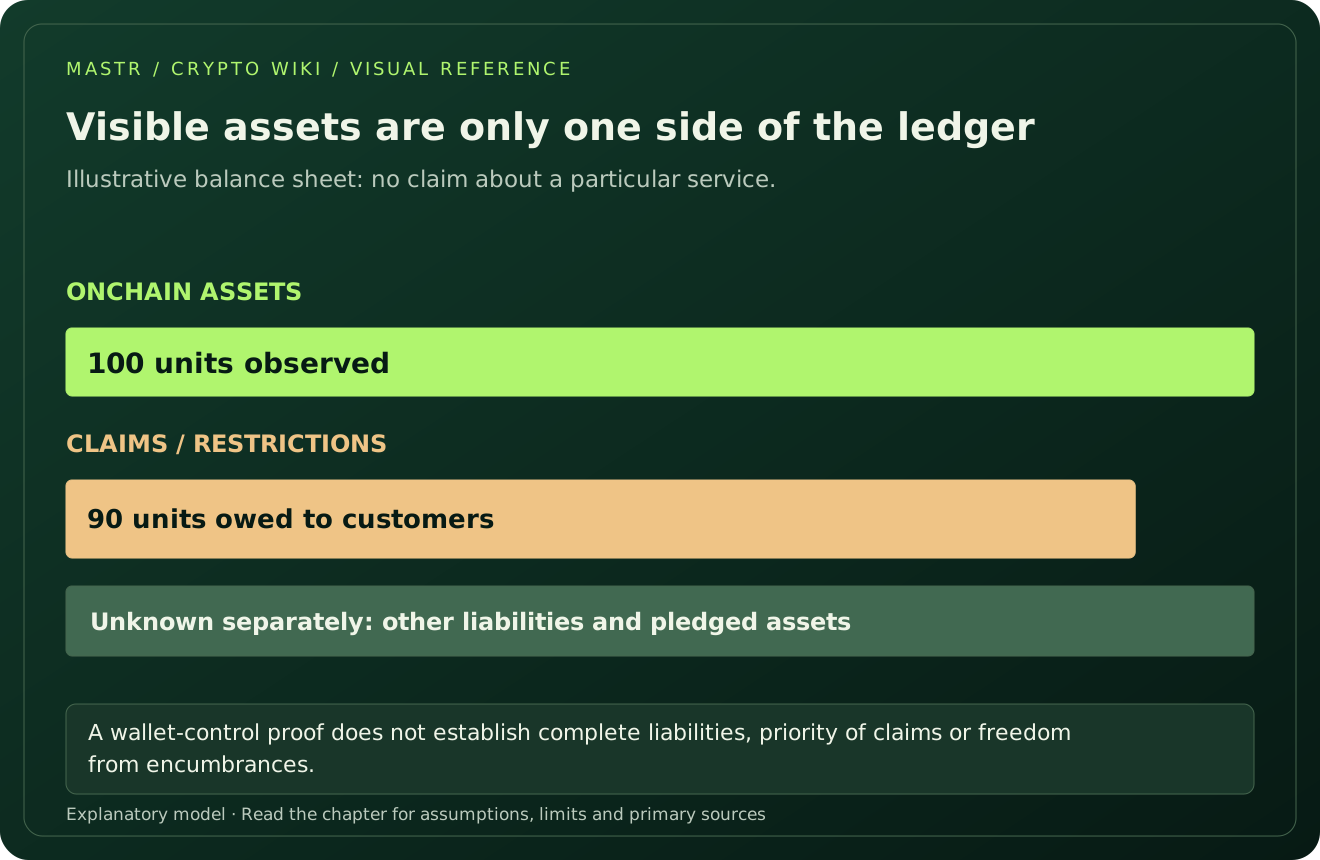
Markets & incentives · 2014–2024
Exchange collapses and lending failures are easier to understand when assets, liabilities, control and withdrawal rights are kept separate.
The DAO incident led to a contentious Ethereum state intervention and a continuing original chain.
The application incident and the community's response became separate parts of Ethereum history.
Fundraising, token rights and paid distribution became tightly connected.
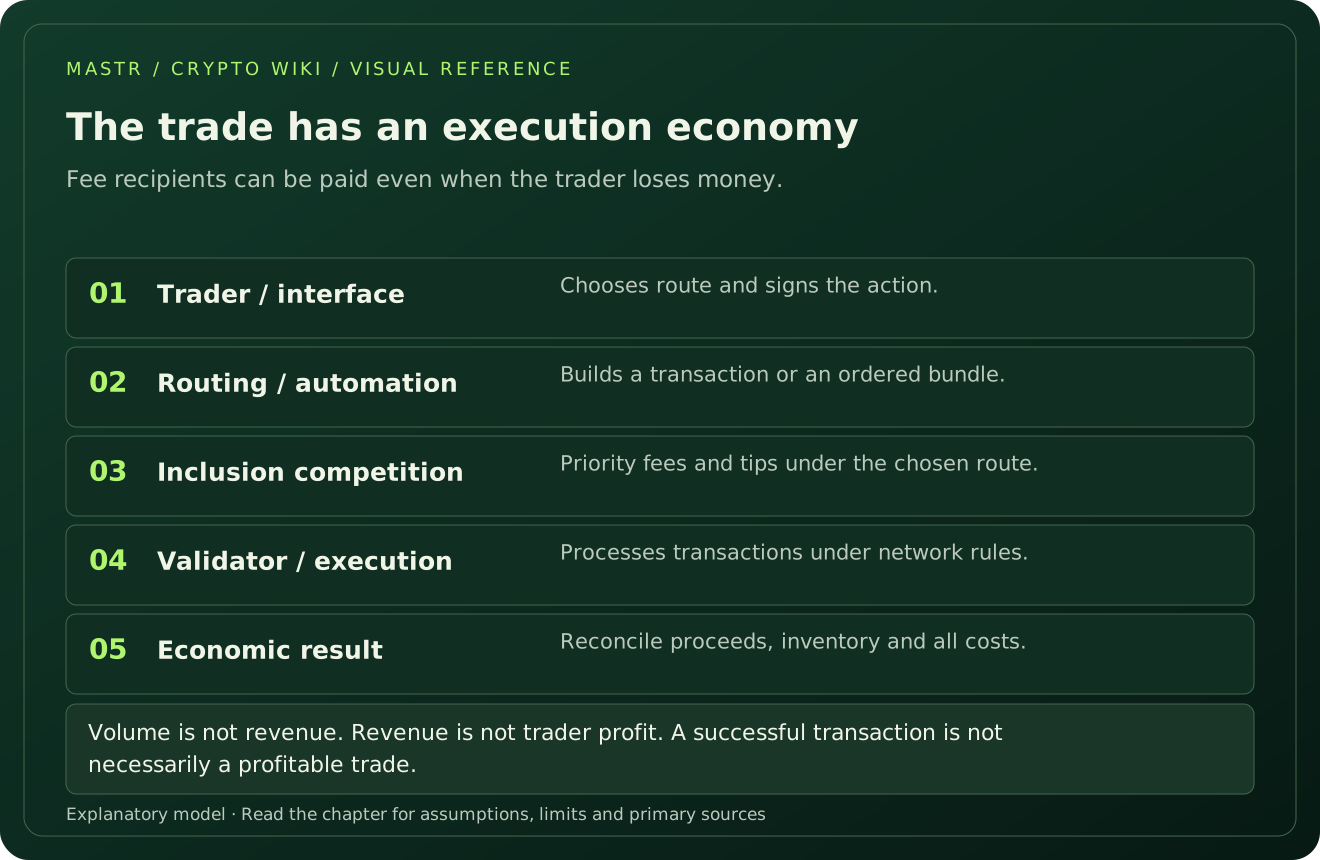
Markets & incentives · 2024–2026
The research literature and MASTR’s archive help separate activity, execution advantage, revenue and evidence of coordinated ownership.
A real regulatory transition gave impersonators a convincing reason to ask people to move their assets.
Origins & history · 2015–2021
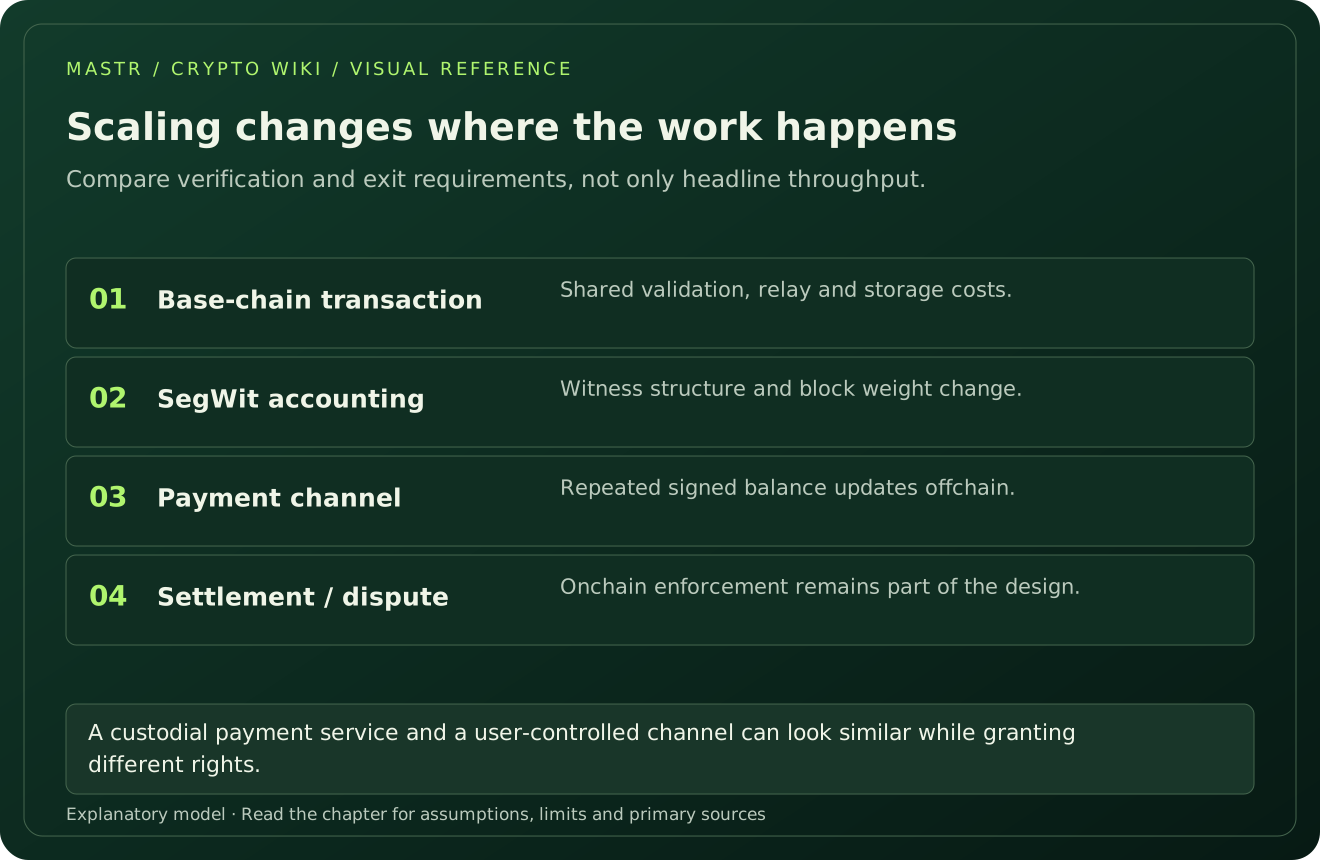
SegWit and payment channels show why scaling is a choice about resources and trust, not just a larger transactions-per-second number.
Control & evidence · Wallet security
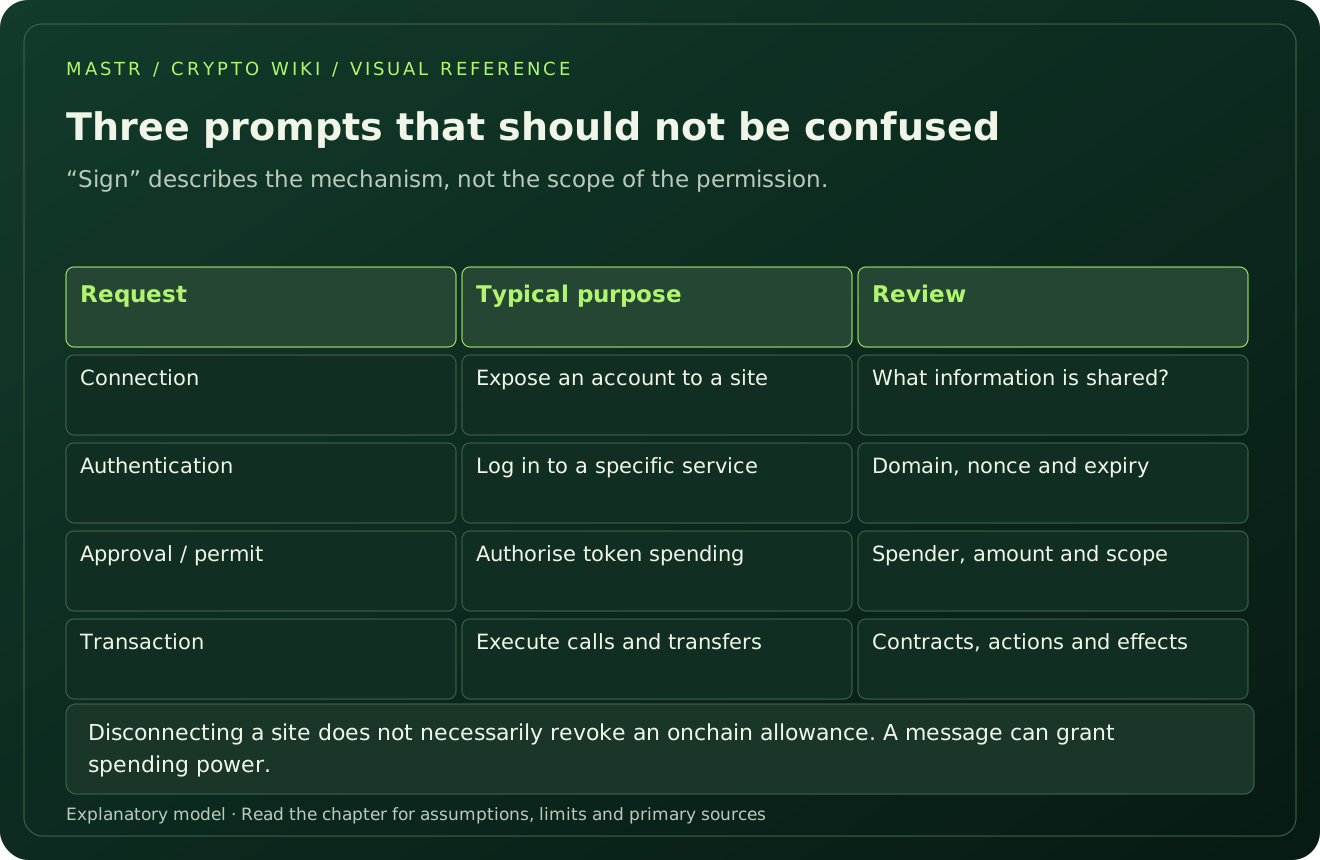
The chain can execute a maliciously requested action perfectly. Read the authority being granted, not just the button label.
Three Arrows Capital failed in 2022 after leveraged positions and falling collateral left claims it could not meet.